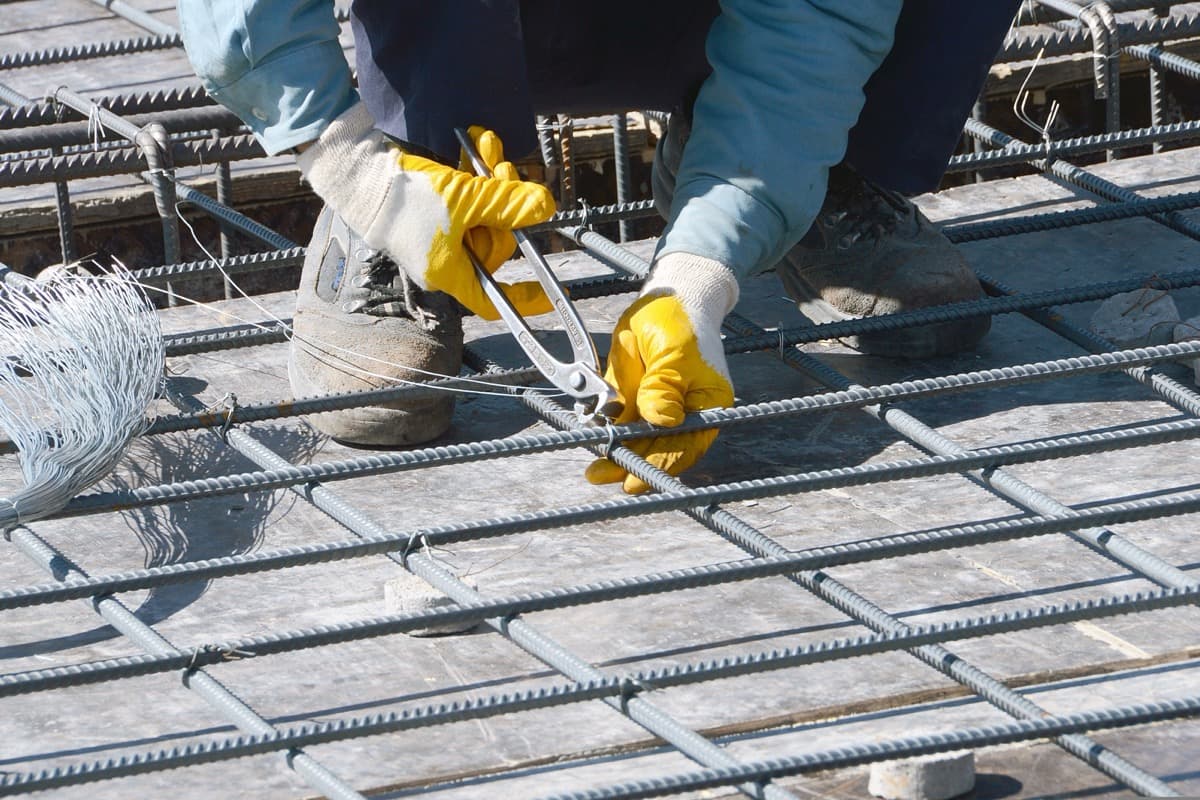
Which Cement Grade is Suitable for Residential Construction? When to Use OPC 53 vs. PPC
Understanding the right cement grade for roof slabs, foundation footings, brick masonry, and wall plaster to avoid cracks and build durably.
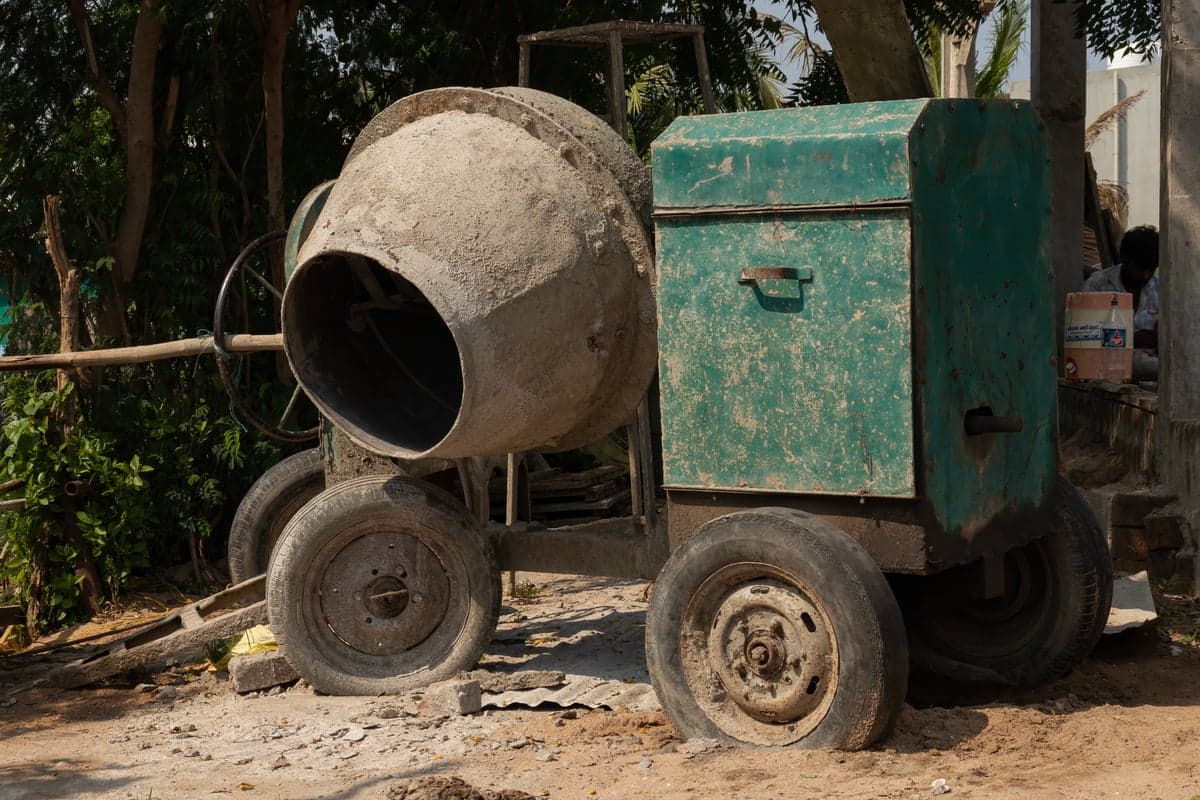
Understanding Cement Grades in Building Construction
One of the most frequent technical questions when constructing a 3 to 4-storey residential building is whether to use Ordinary Portland Cement (OPC) or Portland Pozzolana Cement (PPC). Both serve vital roles at different construction stages.
OPC 53 develops compressive strength rapidly in the first 7 to 14 days, allowing structural column formwork to be removed on schedule. PPC gains strength progressively over 28 to 90 days, creating a dense, impermeable matrix with lower hydration heat.
Why PPC Helps Prevent Plaster Hairline Cracks
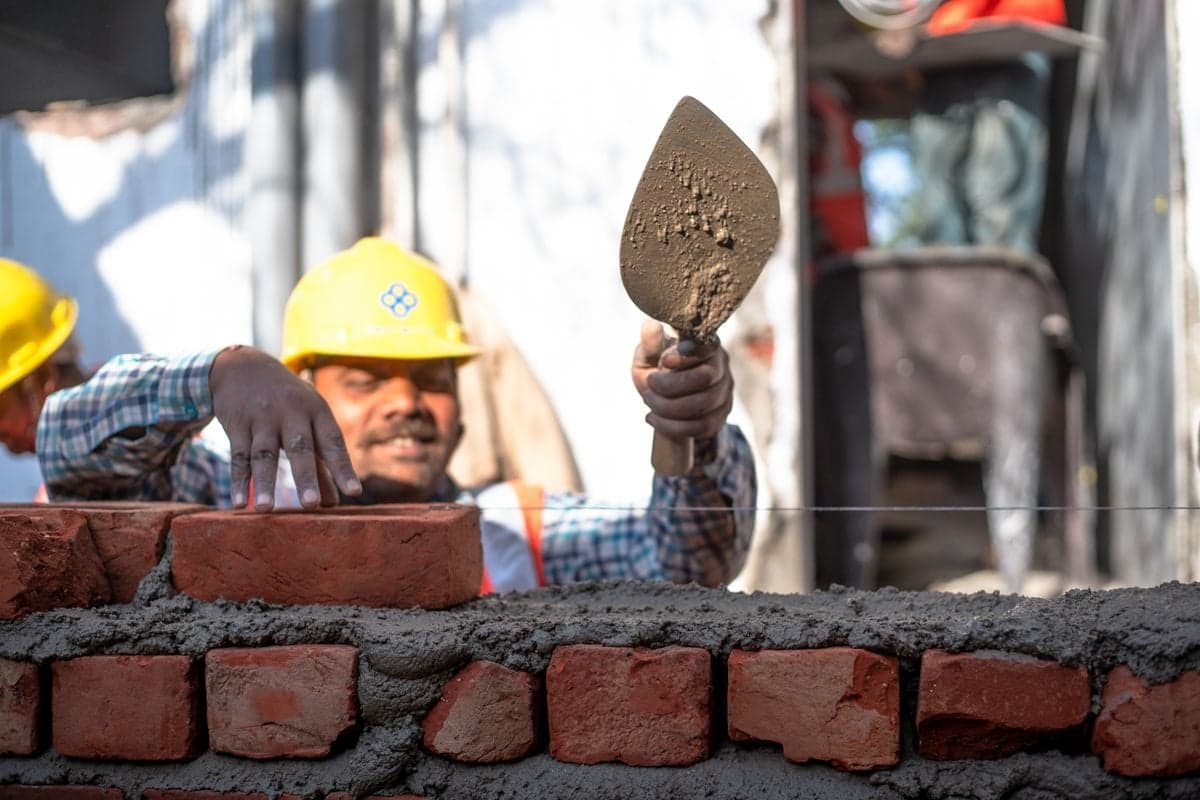
When plastering walls or laying brick masonry, rapid hydration is actually a drawback because fast moisture evaporation creates drying shrinkage cracks. PPC contains fine pozzolanic material that improves workability, broadens smoothly, and dramatically reduces capillary water absorption.
Disciplined Water Curing
Regardless of cement grade, no concrete can reach its design strength without adequate moisture. Maintain continuous pond curing on roof slabs for at least 14 to 21 days.